Saturday, March 21, 2026
AI Data Centers Could Add 50+ GW of Power Demand by 2030
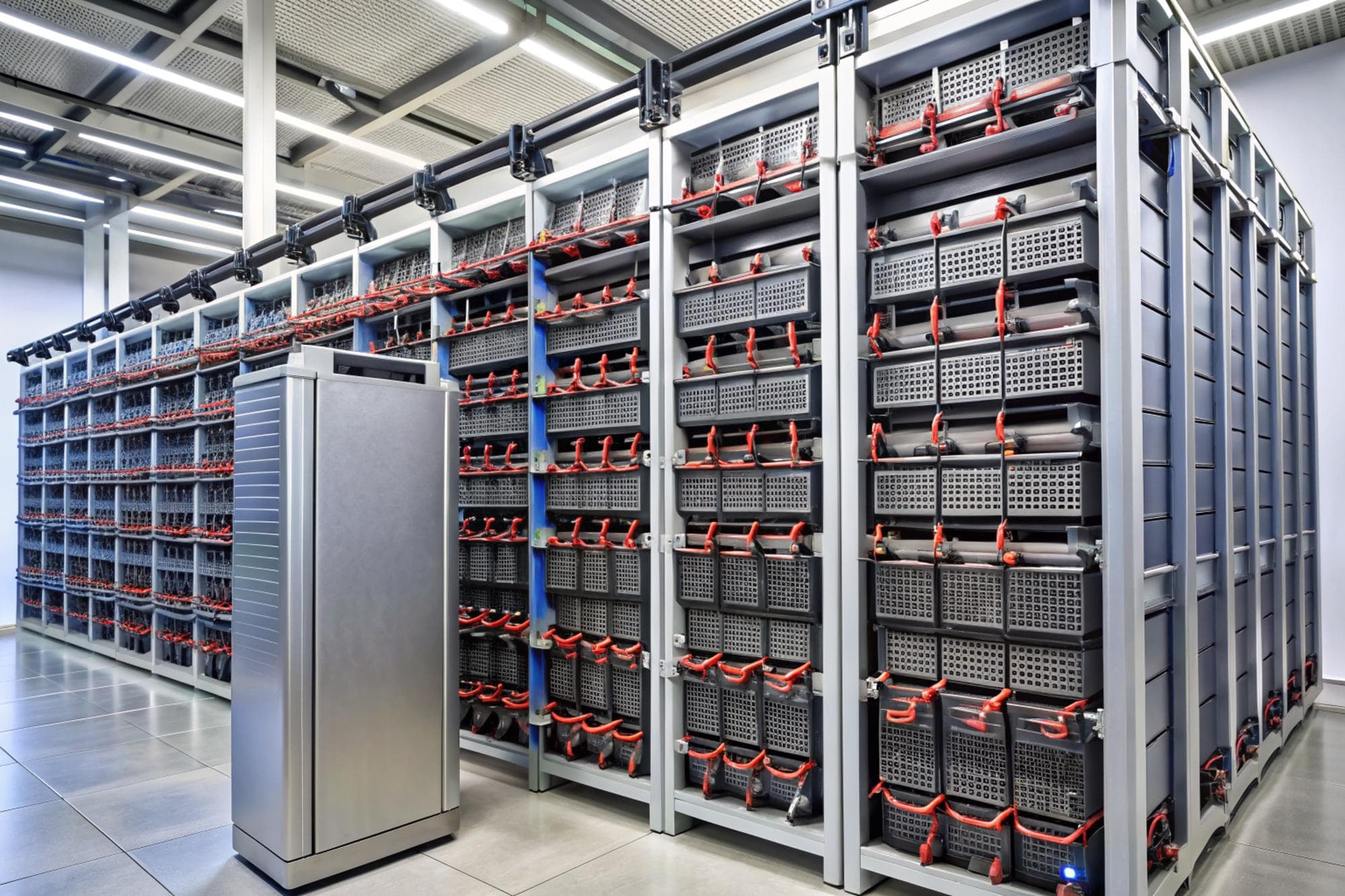
The next wave of data center growth is not being driven by traditional enterprise IT. It is being driven by artificial intelligence. And unlike previous technology cycles, AI is not just increasing compute demand. It is fundamentally reshaping energy demand at a scale the industry has never experienced.
By 2030, AI data centers are expected to add more than 50 gigawatts of new power demand globally. That number alone represents one of the most significant infrastructure challenges facing the digital economy.
To put this into perspective, 50 GW is equivalent to the total power consumption of entire countries. It is not incremental growth. It is a step change that is forcing developers, utilities, and investors to rethink how energy is generated, delivered, and managed.
This is no longer a future problem. It is already unfolding.
AI Is Changing the Energy Equation
Traditional data centers were designed around relatively predictable workloads. Demand grew steadily, and infrastructure could scale in phases. Power planning followed a linear trajectory.
AI breaks that model.
Training large language models, running inference at scale, and supporting real time applications require enormous amounts of power from the start. A single AI cluster can consume tens of megawatts, and hyperscale campuses are now being designed for hundreds of megawatts or even gigawatt scale deployments.
This creates a fundamentally different energy profile.
Demand is concentrated rather than distributed
Growth is exponential rather than linear
Utilization is higher and more consistent
Power density per rack is significantly increased
These changes are pushing energy systems to their limits.
50+ GW Is Not Just Demand, It Is Pressure on the System
The projected 50+ GW of new demand is not occurring in isolation. It is being layered on top of already constrained energy systems.
In many core data center markets, grid infrastructure is struggling to keep up with existing demand. Transmission capacity is limited. Generation projects face long development timelines. Regulatory and permitting processes add further delays.
Now add AI driven demand on top of that.
The result is a growing gap between how much power is needed and how quickly it can be delivered.
This gap is already visible in markets like Northern Virginia, where power constraints are slowing new developments. Similar challenges are emerging in Dallas, Phoenix, and key European hubs.
The implication is clear. The industry cannot rely on traditional energy pathways to support this level of growth.
Utilities Cannot Scale at the Same Speed as AI
One of the core challenges is the mismatch between the speed of AI adoption and the speed of energy infrastructure development.
Building new power plants, upgrading transmission networks, and expanding grid capacity takes years. In some cases, it takes more than a decade.
AI deployments operate on a completely different timeline.
Companies are racing to deploy models, capture market share, and scale applications. They cannot wait years for power to become available.
This creates a structural disconnect.
The demand side is accelerating rapidly
The supply side is constrained by long timelines
Bridging this gap requires new approaches to energy.
The Rise of High Density Power Environments
AI workloads are also increasing the intensity of power consumption within data centers.
Traditional racks might consume 5 to 10 kilowatts. AI racks can exceed 30, 50, or even 100 kilowatts depending on the configuration.
This shift has several implications:
Cooling requirements increase significantly
Power distribution systems must handle higher loads
Infrastructure must be designed for continuous high utilization
The combination of higher density and higher total demand amplifies the pressure on energy systems.
It is not just about delivering more power. It is about delivering it in a different way.
Energy Strategy Is Becoming a Core Differentiator
As power constraints intensify, energy strategy is becoming one of the most important differentiators in the data center market.
Developers who can secure power quickly and reliably gain a significant advantage. They can bring capacity online faster, attract tenants, and generate revenue sooner.
Those who cannot are at risk of falling behind.
This is driving a shift in how projects are evaluated.
Energy availability is now a primary factor in site selection
Power timelines are influencing investment decisions
Energy infrastructure is being integrated into project design
The focus is moving from cost optimization to certainty and control.
Onsite Power and Energy Independence Are Gaining Momentum
To meet the growing demand, many operators are turning to onsite power solutions.
Onsite generation allows data centers to bypass some of the constraints associated with grid interconnection. It provides greater control over energy supply and reduces reliance on external infrastructure.
This approach is particularly attractive for AI deployments, where speed and reliability are critical.
Energy independence is no longer just a concept. It is becoming a practical strategy for managing risk and enabling growth.
Sustainability Challenges and Opportunities
The increase in power demand raises important questions about sustainability.
AI data centers require significant energy, and meeting that demand sustainably is a major challenge. However, it also creates opportunities for innovation.
Renewable energy integration
Advanced storage solutions
More efficient cooling technologies
Smarter energy management systems
These innovations can help balance the need for growth with environmental considerations.
The goal is not just to meet demand, but to do so in a way that aligns with long term sustainability objectives.
Capital Is Aligning with Energy Strategy
Investors are paying close attention to how projects address energy challenges.
Projects with clear, deliverable power strategies are attracting more capital. They offer lower risk and greater potential for returns.
This is leading to a shift in investment priorities.
Energy ready sites are becoming more valuable
Projects with onsite power solutions are gaining interest
Infrastructure that supports scalability is being prioritized
The ability to secure and manage energy is becoming a key driver of value.
What This Means for the Future of Data Centers
The projected 50+ GW of new demand is a signal of where the industry is heading.
AI will continue to drive growth
Energy constraints will remain a key challenge
New solutions will emerge to bridge the gap
The data center industry is entering a period of transformation where energy strategy will play a central role.
Companies that can adapt to this new reality will be well positioned to succeed.
Those that cannot may struggle to keep up.
A Defining Moment for Energy Infrastructure
The rise of AI data centers represents a defining moment for energy infrastructure.
It is forcing the industry to rethink how power is generated, delivered, and consumed. It is creating new challenges, but also new opportunities.
For companies focused on delivering reliable, efficient, and sustainable energy solutions, this is a critical time.
The ability to support this level of demand will shape the future of the digital economy.
And the decisions being made today will determine who leads that future.