Saturday, January 31, 2026
AI Growth Is Redefining Global Power Demand for Data Centers
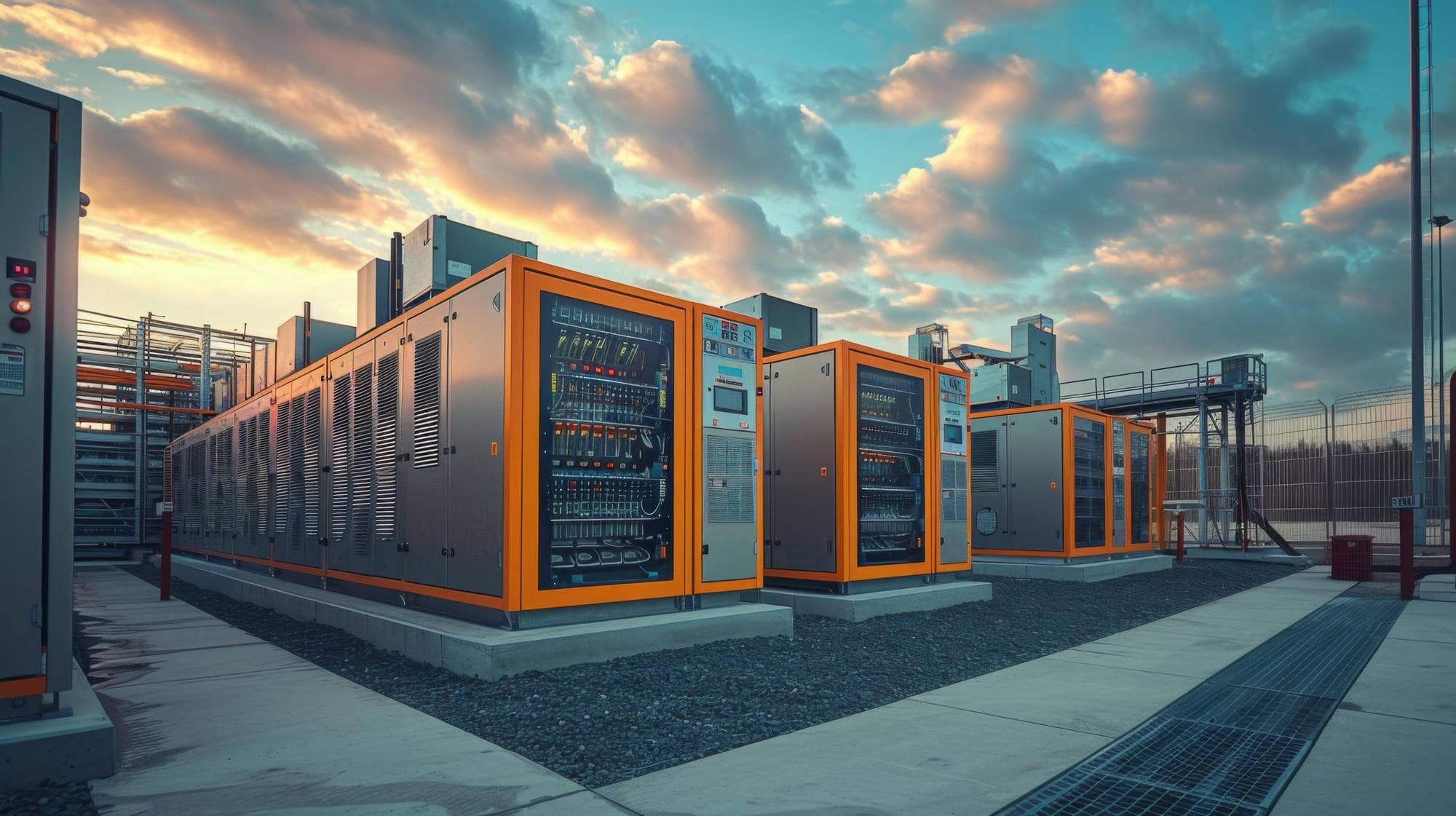
Artificial intelligence is not simply increasing demand for data centers—it is redefining what power demand means at a global scale. Previous waves of digital growth expanded energy consumption gradually, often with predictable load profiles and manageable variability. AI breaks that pattern entirely.
AI workloads introduce sustained, dense, and inflexible power demand that challenges the assumptions underlying global energy planning. Unlike traditional cloud or enterprise workloads, AI systems run continuously, scale aggressively, and resist optimization through time-shifting or load balancing. As AI adoption accelerates across industries, data center energy demand is no longer a derivative of IT growth—it is a primary driver of grid transformation.
For Data Center Energy (DCE), this shift forces a re-evaluation of everything from generation planning to transmission investment to national energy policy. AI is not just another large customer of electricity. It is reshaping how power demand is forecast, delivered, and governed worldwide.
AI Power Demand Is Sustained, Not Elastic
Traditional data center workloads were elastic. Virtual machines spun up and down. Batch jobs ran overnight. Load could often be shifted in time to align with energy availability or pricing.
AI workloads are different.
Training large models requires continuous execution over days or weeks. Interruptions degrade efficiency and increase cost. Inference pipelines operate persistently once deployed, responding to real-time demand that cannot be deferred.
This creates sustained base load rather than flexible demand. From an energy perspective, AI behaves more like heavy industrial load than IT infrastructure. Grids built to handle variable commercial demand now face always-on consumption at unprecedented density.
This shift fundamentally alters load forecasting models.
Power Density Is Scaling Faster Than Grid Assumptions
Global grids were not designed with AI power density in mind. Many planning models assumed gradual increases in load per square foot, offset by efficiency gains and distributed consumption.
AI reverses those assumptions.
High-density AI racks draw multiples of the power required by traditional server deployments. Entire data halls now consume power levels once associated with small cities. Yet these loads are concentrated geographically rather than distributed.
The result is localized demand spikes that strain substations, feeders, and transmission infrastructure even when aggregate generation capacity exists.
For DCE planning, density—not total consumption—is the destabilizing factor.
AI Demand Is Global but Infrastructure Is Local
AI adoption is global. Energy infrastructure is local.
This mismatch creates uneven stress across regions. Markets with strong AI ecosystems experience disproportionate power demand growth, overwhelming local grids. Meanwhile, regions with surplus generation may lack transmission capacity or regulatory frameworks to attract data center load.
As AI demand spreads, power systems face asynchronous pressure. Some regions scramble to add capacity. Others struggle to monetize excess supply.
DCE strategy must therefore operate at both global and local levels, balancing macro demand trends with micro infrastructure realities.
Forecasting Models Are Being Invalidated
Energy demand forecasting traditionally relied on historical trends, efficiency curves, and incremental growth assumptions. AI disrupts all three.
There is little historical precedent for AI-scale loads. Efficiency improvements are being outpaced by density increases. Growth is non-linear, driven by model breakthroughs and capital investment cycles rather than population or GDP.
As a result, many national and regional power forecasts are already obsolete. Utilities and regulators are revising projections upward—often repeatedly—yet still lag behind reality.
This forecasting gap increases risk across the energy ecosystem.
AI Is Competing With Everything Else for Power
As AI demand grows, it competes directly with other sectors for limited energy resources. Manufacturing electrification, transportation electrification, and residential growth all draw from the same grids.
Unlike some sectors, AI demand is highly mobile. Data centers can relocate across regions and borders in search of power. This mobility introduces competition between jurisdictions, each seeking to attract or manage AI-driven load.
For DCE, this competition elevates energy strategy to a geopolitical issue. Power availability becomes a determinant of digital competitiveness at national and regional scales.
Renewable Integration Becomes More Complex
AI demand complicates renewable energy integration. While data centers increasingly seek renewable supply, the sustained and dense nature of AI load challenges intermittency management.
Matching 24/7 AI demand with variable renewable generation requires storage, overbuild, or hybrid systems. This increases system complexity and cost.
As AI demand grows, grids must balance decarbonization goals with reliability requirements under unprecedented load conditions.
AI Demand Is Accelerating Grid Investment Cycles
To accommodate AI-driven demand, utilities are accelerating grid investment. Substations, transmission lines, and generation assets are being planned at scales and speeds previously reserved for population booms or industrialization.
However, regulatory processes, capital constraints, and supply chain limitations slow execution. The gap between planning intent and operational reality continues to widen.
For DCE stakeholders, understanding these investment cycles—and their limits—is critical to realistic deployment planning.
Regions That Anticipate AI Demand Gain Structural Advantage
Some regions are adapting faster than others. Those that proactively invest in grid capacity, streamline permitting, and align energy policy with data center growth gain disproportionate advantage.
These regions attract AI infrastructure not because they are cheapest, but because they are ready.
This readiness-driven competition reshapes global data center geography and energy investment flows.
AI Is Forcing Energy Policy to Confront Digital Reality
Perhaps most importantly, AI forces energy policy to confront digital reality. Power systems can no longer treat data centers as marginal commercial customers. They are now foundational infrastructure.
Policy decisions about generation mix, grid investment, and pricing directly influence the trajectory of AI deployment.
For DCE, this elevates energy strategy from operational concern to strategic imperative.
AI Is Redrawing the Power Map
AI growth is not just increasing electricity consumption—it is redrawing the global power map. Demand concentrates where AI ecosystems form. Infrastructure strains where grids lag. Investment flows where readiness exists.
Data centers sit at the center of this transformation, translating digital ambition into physical load.
For Data Center Energy, understanding this shift is essential. AI is not adapting to the grid. The grid is being forced to adapt to AI—and the outcome will shape the future of digital infrastructure worldwide.