Monday, October 19, 2026
Can Data Centers Sell Power Back?
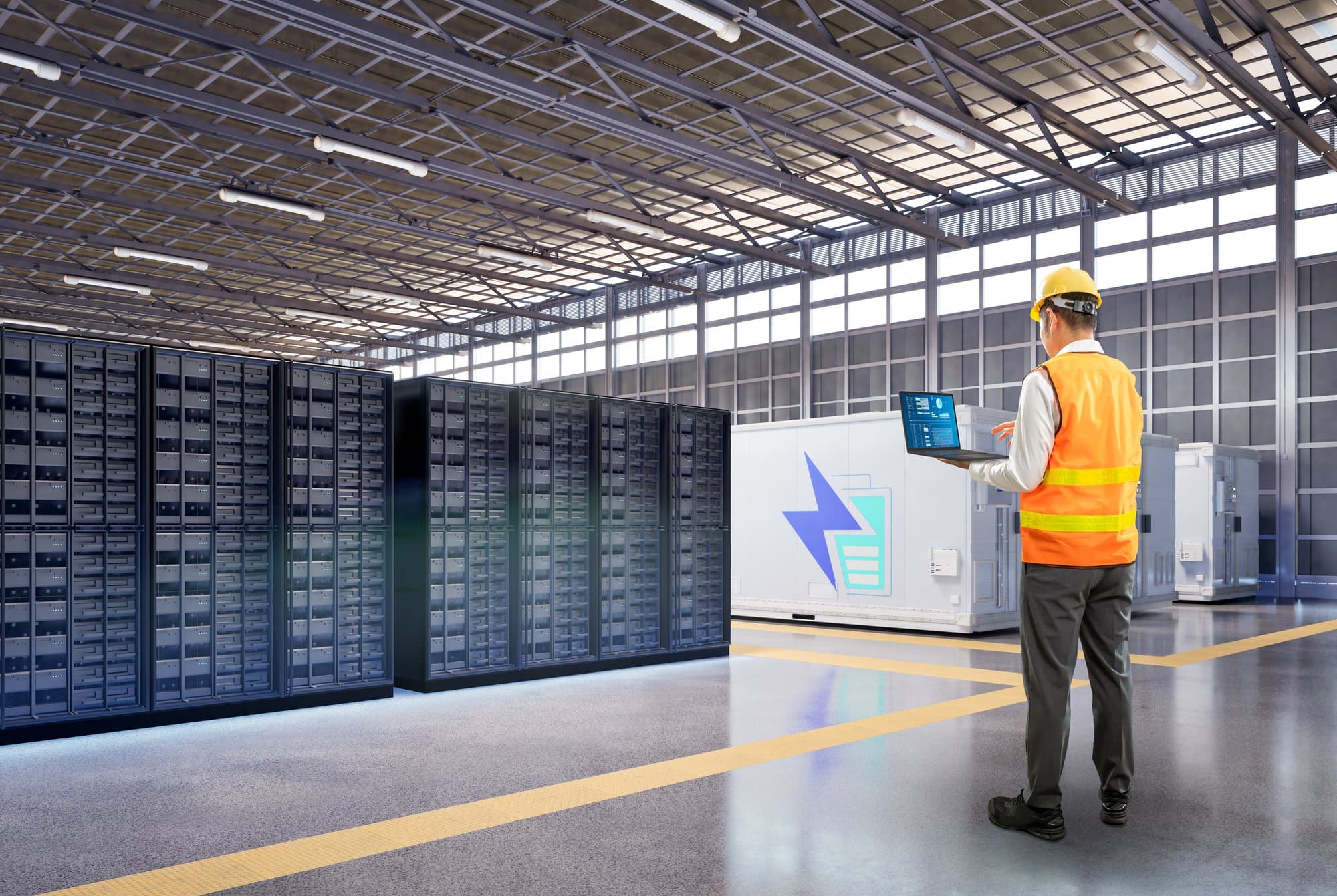
What Happens When a Data Center Produces More Power Than It Needs?
Data centers have traditionally been viewed as electricity consumers. Their relationship with the power grid has primarily focused on obtaining reliable capacity, managing consumption, and ensuring continuous operations. As facilities grow larger and computing requirements become more demanding, developers are beginning to explore energy arrangements that extend beyond conventional electricity procurement.
One particularly interesting possibility is whether a data center could supply electricity back to the grid. As more campuses consider dedicated generation, battery energy storage, and hybrid power systems, the relationship between electricity consumption and production is becoming more complex. A facility equipped with generation resources may have opportunities to contribute electricity to the surrounding network under certain operating conditions.
The concept is not entirely new. Industrial facilities, commercial properties, and other large electricity customers have participated in arrangements that allow electricity generated behind the meter to reach the grid. What makes the discussion relevant to data centers is the potential scale of their energy systems and the growing interest in developing generation alongside computing capacity.
However, the ability to generate electricity does not automatically establish the right or technical capability to export it. Grid interconnection requirements, utility agreements, market participation rules, and equipment design all influence whether a data center can sell electricity or provide other energy services.
Understanding those distinctions is essential because a data center capable of generating electricity is not necessarily a data center capable of exporting electricity.
From Electricity Consumers to Energy Participants
The traditional data center operating model is relatively straightforward from an energy perspective. Electricity enters the facility through a utility connection, passes through electrical distribution and protection systems, and supports servers, cooling equipment, networking systems, and other essential operations.
Backup generation provides an additional layer of resilience. These systems are generally designed to support the facility when normal electricity service is interrupted, rather than operate continuously as commercial electricity suppliers.
The emergence of dedicated generation creates a different set of possibilities. A campus may incorporate generation intended for regular operation, storage systems capable of charging and discharging strategically, or a combination of resources designed to work alongside utility supply.
Under an appropriately designed arrangement, electricity can potentially flow in more than one direction. The data center may import power when needed and export eligible generation when operating conditions and contractual arrangements permit.
This changes the range of services the facility’s energy system might provide. Instead of functioning exclusively as an electricity-consuming site, a data center could potentially participate in energy markets or utility programs while continuing to prioritize its computing operations.
The opportunity depends on the electrical architecture, the availability of generation capacity, and the commercial rules governing the connection.
Why On-Site Generation Changes the Conversation
The growing interest in Bring Your Own Generation (BYOG) provides an important foundation for understanding electricity exports from data centers.
Under a BYOG arrangement, a developer may incorporate dedicated generation into the campus energy strategy. The generation could be located on the property, developed nearby, or connected through another suitable arrangement.
The primary objective is generally to support the electricity requirements of the computing facility. However, the generating equipment may have operational characteristics that create additional possibilities.
Consider a hypothetical campus with 200 MW of computing and supporting facility demand and a dedicated generation system capable of producing 250 MW. If the generation system is operating at full output while the campus consumes 200 MW, there could be a theoretical surplus of 50 MW.
That surplus does not automatically become electricity available for sale. The generation system may operate below its maximum output, reserve capacity may be needed for reliability, and the facility’s interconnection agreement may prohibit exports.
Nevertheless, the example illustrates why the relationship between generation capacity and computing demand deserves attention.
When a data center develops its own generation resources, the energy strategy can include decisions about how those resources operate under different conditions. Depending on the project, those decisions may involve serving internal demand, maintaining reserves, charging storage systems, or exporting electricity where permitted.
The ability to evaluate these operating options can make generation planning more sophisticated than simply matching a generator’s rated output to a facility’s expected load.
The Difference Between Backup Power and Exportable Power
One of the most important technical distinctions involves the purpose for which a generation system was designed.
Most data centers already incorporate backup generation. These systems provide critical support when normal utility electricity is unavailable, helping maintain operations until regular service is restored.
However, emergency backup generators are not automatically suitable for routine grid exports. Their permits, emissions restrictions, operating limits, protection systems, and electrical configurations may restrict how and when they can operate. In the United States, applicable environmental rules can also distinguish emergency operation from nonemergency electricity production.
A generator intended for commercial exports may require a different operating framework. It must be capable of synchronizing with the electricity system where applicable, operating within approved technical parameters, and complying with utility or grid-operator requirements. The facility may also need additional protection equipment, metering, communications systems, and control capabilities.
These requirements are particularly important because electricity exports affect the wider network. The utility must understand how generation at the customer site could influence voltage, protection coordination, equipment loading, and system operations. An arrangement that works well for internal generation may require additional engineering before electricity can be delivered beyond the campus.
For developers, the practical lesson is that export capability should be evaluated during the initial design process if it is expected to become part of the long-term energy strategy. Retrofitting an electrical system for commercial exports can involve considerations that differ substantially from those associated with internal generation alone.
Battery Storage Creates Another Opportunity
Electricity exports do not necessarily require a conventional power plant operating continuously beside the data center. Battery energy storage systems can also provide opportunities to interact with the electricity network, depending on their configuration and the rules governing their operation.
A battery system can store electricity and discharge it at a later time. In a data center environment, storage may support several functions, including selected power-quality applications, operational flexibility, and coordination with on-site generation. Where regulations and interconnection agreements permit, storage may also be able to export electricity to the grid.
For example, a campus with dedicated generation could potentially use storage to manage differences between electricity production and consumption. When generation exceeds internal demand, some of the available energy could be stored rather than immediately exported.
At another time, the stored electricity might support campus operations or be delivered to the grid if the system is authorized and commercially configured to do so. The value of this arrangement depends on several factors, including battery capacity, discharge duration, cycling requirements, electricity prices, and the operational priorities of the facility.
A battery designed to support critical computing operations may need to preserve a defined energy reserve. That reserve cannot simply be treated as available for commercial exports without considering the consequences for reliability. This is why battery applications must be evaluated within the complete energy architecture.
The same storage technology can serve different purposes, but the system must be designed and operated around clearly established priorities.
Selling Electricity Requires More Than Generating It
One of the most significant considerations for any export arrangement is the distinction between producing electricity and having the legal and commercial ability to sell it. A data center may own generation equipment and still be subject to restrictions on exporting electricity.
The requirements vary by location, utility territory, market structure, and generation configuration. In some jurisdictions, certain customer generation arrangements are permitted under established tariffs. In others, exports may require additional agreements, studies, registrations, or market participation arrangements.
Several elements generally deserve consideration when evaluating an export-capable project:
- Interconnection agreements: These establish the conditions under which generation or storage can connect to the electricity network and whether exports are permitted.
- Utility tariffs: Applicable tariffs may define compensation, operating requirements, and limitations associated with electricity delivered to the grid.
- Market participation: Some arrangements may require registration or participation through an eligible market entity.
- Metering and settlement: Exported electricity must be measured and accounted for under the applicable commercial framework.
- Permitting and operating restrictions: Generation technologies may be subject to environmental, operational, and local permitting requirements.
- Electrical protection and controls: Equipment must operate safely and reliably alongside the surrounding electricity system.
These considerations demonstrate why an export strategy requires coordination among multiple parties: Generation developers, utilities, engineers, energy advisors, and regulatory specialists may all have responsibilities in establishing a viable arrangement.
The central question is not simply whether electricity can physically leave the property. It is whether the project has an approved and commercially workable pathway for delivering that electricity to another party.
Could Data Centers Help Support the Local Grid?
The possibility of exporting electricity introduces an interesting relationship between data centers and the communities in which they operate. Large campuses are often discussed in terms of the electricity they require. Yet facilities equipped with suitable generation and storage resources could potentially offer additional capabilities to the surrounding energy system.
In certain circumstances, export-capable generation may contribute electricity during periods when additional supply is valuable. Storage resources may also be able to participate in approved programs designed to support specific grid operating needs. These arrangements could create opportunities for greater coordination between large electricity customers and utilities.
However, the actual contribution depends on when electricity is available, where the resources are connected, and how the surrounding network operates. A generator that produces electricity during periods of limited system need may provide different benefits from a resource capable of operating during periods of high demand. Similarly, generation located behind a constrained network connection may not be able to deliver its full output to the wider grid. The timing and location of electricity supply therefore matter alongside the amount produced.
For data center developers, this creates an opportunity to evaluate how dedicated energy resources could complement utility planning rather than operating as entirely separate systems. For utilities, properly coordinated customer generation may provide another resource to consider within broader system planning.
The Commercial Value Depends on the Operating Model
The idea of selling excess electricity can sound straightforward: generate more power than the campus consumes and sell the difference. In practice, the commercial evaluation is more involved.
A dedicated generation system has capital, fuel, maintenance, operating, and other costs that must be considered. Electricity export revenue may vary depending on market prices, contractual terms, available capacity, and the number of hours during which exports are permitted. A project must also determine whether exporting electricity is compatible with the primary purpose of its generation resources.
For example, a data center may prefer to preserve generating capacity for operational resilience or future computing expansion rather than commit that capacity to external electricity deliveries. In other cases, a generation system developed for regular operation may have periods of available output that can be evaluated for commercial use.
The appropriate decision depends on the economics and technical requirements of the specific project. Importantly, the ability to export electricity does not guarantee that doing so will be profitable. Export arrangements may involve additional equipment, infrastructure upgrades, operating obligations, and market exposure.
A sound energy strategy therefore evaluates the potential benefits alongside the full cost of enabling and maintaining export capability.
Why Campus Expansion Matters
Data center campuses are rarely static developments. A large project may begin with one or two buildings and expand over several years as computing demand increases. During that period, the relationship between installed generation capacity and actual electricity consumption can change significantly.
Consider a campus designed for an eventual 400 MW load but initially operating at 100 MW. If dedicated generation is developed in advance of the full computing requirement, the project may have periods when available generation capacity exceeds internal demand. Depending on the generation technology, construction sequence, and approved operating arrangements, this could create opportunities to evaluate temporary or longer-term exports.
However, the developer must consider how those arrangements would change as additional computing buildings become operational. Electricity that is available for export during an early phase may eventually be required to support the campus itself.
This creates an important planning consideration: export commitments should be compatible with the development schedule and long-term electricity requirements of the facility. A flexible commercial structure may be valuable when generation capacity and computing demand are expected to grow at different rates.
The objective is to preserve the ability to expand computing operations while evaluating appropriate uses for available generation resources during earlier development phases.
Grid Connection Design Becomes a Strategic Decision
The possibility of electricity exports also affects how developers approach grid interconnection. A connection designed exclusively to import electricity may have different technical requirements from one intended to support bidirectional power flows. Depending on the network and project configuration, export capability may require additional studies, protection systems, metering arrangements, and infrastructure upgrades.
The available export capacity may also differ from the amount of electricity the facility is permitted to import. For example, a campus might have an agreement allowing substantial electricity imports but limited or no exports. The presence of a large utility connection does not necessarily mean the facility can use that connection to deliver generation back into the network.
This distinction can influence decisions made early in development. If electricity exports are expected to play a meaningful role in the project, developers may benefit from evaluating the relevant interconnection requirements before finalizing the electrical design. That does not mean every campus should pursue bidirectional service.
For some facilities, the additional complexity may offer limited practical value. For others, particularly those incorporating substantial dedicated generation or storage, export capability may be worth examining as part of the overall energy strategy. The important consideration is understanding the available options before the project architecture is established.
A More Collaborative Relationship With Utilities
Electricity exports from data centers could also create opportunities for a more collaborative relationship between developers and utilities.
A utility serving a large computing campus needs accurate information about the customer’s expected demand, operating characteristics, and future expansion. When the customer also operates generation or storage, the utility may need additional visibility into how those resources interact with the grid. This can create opportunities for more detailed coordination.
Developers and utilities may work together to evaluate operating limits, generation schedules, protection requirements, and the conditions under which electricity could be exported. In some circumstances, these discussions may identify arrangements that support both the customer’s operating objectives and broader electricity-system needs.
The value of this coordination is particularly relevant for campuses with multiple generation resources or phased development schedules. Rather than treating the data center exclusively as a large electricity load, the parties can evaluate the complete electrical characteristics of the site.
This does not change the utility’s responsibility to maintain safe and reliable service. Instead, it provides a more complete basis for planning how the campus will interact with the electricity network.
Not Every Data Center Needs to Become a Power Producer
Although electricity exports present interesting possibilities, they are not a universal requirement for data center development. Many facilities will continue to obtain electricity through conventional utility arrangements without operating generation intended for commercial sales. Others may incorporate dedicated generation exclusively for internal consumption or resilience.
Export capability is most relevant when a project’s generation resources, electrical configuration, regulatory environment, and commercial objectives support that approach, but the decision should begin with the facility’s actual energy requirements.
A developer needs to understand the electricity required for computing operations, the intended role of dedicated generation, the importance of maintaining reserves, and the expected growth of the campus. Only then does it make sense to evaluate whether electricity exports could provide an additional benefit. This distinction is important because the primary purpose of a data center remains supporting computing operations.
Energy resources should be designed around that responsibility, with any additional commercial opportunities evaluated in a way that complements the facility’s operating requirements.
When Data Centers Can Contribute Power
The growing interest in dedicated generation and battery storage is expanding the range of energy strategies available to data center developers.
For certain projects, these resources may create opportunities to do more than support internal electricity consumption. With the appropriate technical design, interconnection agreements, and commercial arrangements, a data center could potentially export electricity or participate in approved grid-support programs.
That possibility introduces a different perspective on the relationship between computing facilities and the electricity system.
A data center does not need to become a traditional electricity producer to benefit from understanding how generation, storage, utility service, and potential exports can work together. The more important opportunity is to develop an energy strategy that recognizes the full capabilities of the resources associated with the campus. For some facilities, that will mean dedicated generation designed exclusively for internal use. For others, it may involve a combination of utility electricity, on-site generation, storage, and export arrangements.
As data center campuses continue to grow, the ability to coordinate these resources could create additional opportunities for both developers and the electricity systems supporting them. The question is no longer only whether a data center can generate its own electricity. It is whether that electricity could also provide value beyond the campus.
LinkedIn Copy
Can data centers sell electricity back to the grid?
As more data centers explore on-site generation and battery storage, an interesting opportunity is emerging: producing power not only for their own operations but potentially supplying electricity to the grid.
With the right infrastructure and utility agreements, some campuses could contribute excess generation while supporting their own computing needs.
It’s an interesting development in how data centers and utilities can work together, creating opportunities that extend beyond the campus itself.
#DataCenterEnergy #DataCenters #PowerGeneration #EnergyStrategy #GridIntegration