Sunday, March 22, 2026
Energy Independence Is Redefining Data Center Growth in the AI Era
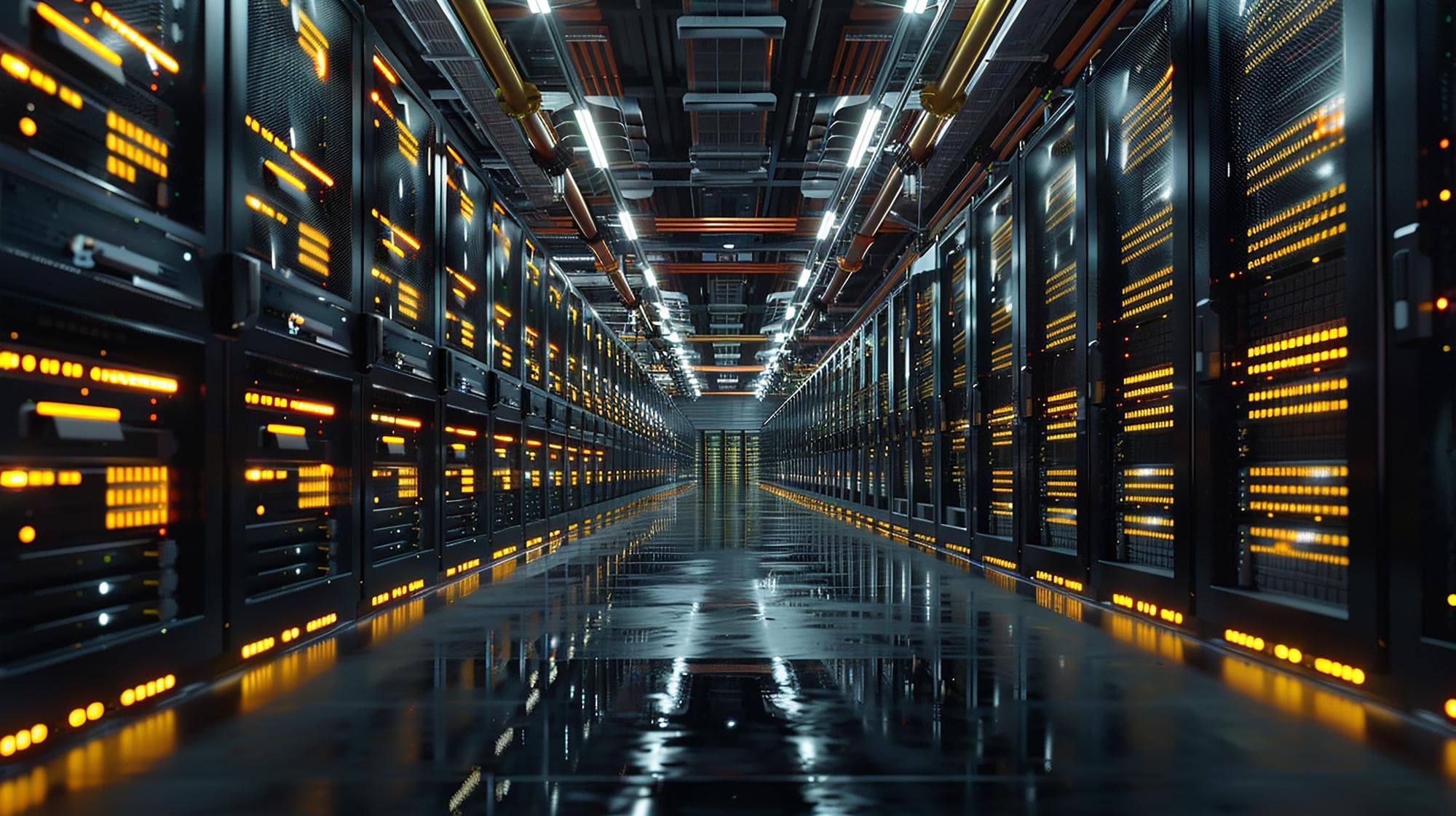
The data center industry is entering a defining moment where energy is no longer just a requirement. It is becoming a strategic advantage.
As artificial intelligence drives unprecedented growth in digital infrastructure, the ability to secure reliable, scalable, and efficient power is emerging as one of the most important factors in determining which projects succeed.
This shift is not being driven by constraints alone. It is being driven by opportunity.
Developers, operators, and investors are recognizing that controlling energy supply is not just about overcoming limitations. It is about unlocking faster deployment, improving resilience, and creating long term value.
At the center of this transformation is a new approach to energy. One built around independence, flexibility, and performance.
AI Is Accelerating the Need for Smarter Energy Solutions
AI workloads are reshaping how data centers consume power.
Unlike traditional infrastructure, AI environments require high density energy from day one. Training clusters, inference workloads, and large scale deployments are pushing demand to new levels.
This is creating a new standard for energy systems.
Power must be available immediately
Capacity must scale quickly
Infrastructure must support continuous high utilization
These requirements are driving a shift toward more advanced and adaptable energy solutions.
Energy is no longer just about supply. It is about how intelligently that supply is designed and managed.
Energy Independence Enables Faster Growth
One of the most significant advantages of energy independence is speed.
By integrating onsite power and advanced energy systems, data centers can accelerate timelines and bring capacity online faster.
This has a direct impact on business performance.
Faster time to energization means faster time to revenue
Projects can move forward without external delays
Developers gain greater control over execution
In a market where demand is moving quickly, the ability to deliver capacity ahead of competitors creates a meaningful advantage.
Energy independence is not just about resilience. It is about momentum.
Reliability and Resilience Are Becoming Core Requirements
As data centers support more critical workloads, expectations around reliability continue to increase.
Downtime is no longer acceptable. Variability in power delivery is no longer tolerable.
Energy independence allows operators to design systems that meet these expectations with greater precision.
Onsite generation, microgrids, and hybrid energy models provide a level of control that traditional approaches cannot match.
This enables:
Consistent and reliable power delivery
Reduced exposure to external disruptions
Greater operational stability
Resilience is no longer just a backup plan. It is being built into the foundation of energy strategy.
Microgrids and Hybrid Systems Are Unlocking Flexibility
Modern data centers are increasingly adopting microgrids and hybrid energy systems to enhance performance.
These systems integrate multiple energy sources into a single, coordinated platform. This allows operators to optimize how power is generated, stored, and used.
The benefits are significant.
Greater flexibility in managing energy supply
Ability to integrate renewable energy sources
Improved efficiency across operations
Scalability to support future growth
This approach reflects a broader shift toward smarter, more dynamic energy systems.
Energy is no longer static. It is becoming an active part of operational strategy.
Sustainability and Performance Are Converging
Sustainability remains a key priority for the data center industry.
However, the conversation is evolving.
Instead of viewing sustainability as a separate objective, it is increasingly being integrated into overall energy strategy.
Energy independence supports this shift by enabling:
More efficient use of resources
Integration of renewable energy solutions
Reduction in transmission losses
Optimization of energy consumption
The result is a more balanced approach where sustainability and performance work together.
This alignment is essential for long term growth.
Energy Strategy Is Driving Investment Decisions
As the industry evolves, energy strategy is becoming a central factor in how projects are evaluated.
Investors are prioritizing developments that demonstrate:
Reliable access to power
Scalable energy solutions
Clear pathways to operational efficiency
Strong resilience frameworks
Projects that can deliver on these criteria are better positioned to attract capital and achieve long term success.
Energy is no longer just a cost consideration. It is a key driver of value.
A New Standard for Data Center Infrastructure
The rise of energy independence is setting a new standard for data center infrastructure.
Developers are no longer designing projects around external constraints. They are designing them around internal capabilities.
This shift is enabling:
Faster deployment timelines
Greater control over operations
Improved reliability and performance
Enhanced ability to scale
It is also creating new opportunities for innovation in how energy systems are designed and implemented.
What This Means for the Future
The data center industry is moving toward a future where energy independence is not the exception. It is the expectation.
As AI continues to drive growth, the ability to deliver reliable, efficient, and sustainable power will become even more important.
Companies that embrace this shift will be better positioned to:
Scale faster
Operate more efficiently
Adapt to changing market conditions
Deliver consistent performance
This is not just a technological evolution. It is a strategic transformation.
Powering the Next Generation of Digital Infrastructure
The next generation of data centers will be defined by more than just compute capacity.
They will be defined by how effectively they manage energy.
Energy independence, resilience, and efficiency are becoming the foundation of modern infrastructure.
For organizations focused on delivering reliable and sustainable energy solutions, this represents a significant opportunity.
The demand is clear. The direction is set.
The future of data centers will be powered by those who can deliver energy with certainty, flexibility, and performance.