Tuesday, March 24, 2026
Inside the 100,000+ GPU Clusters Powering Next Generation AI Data Centers
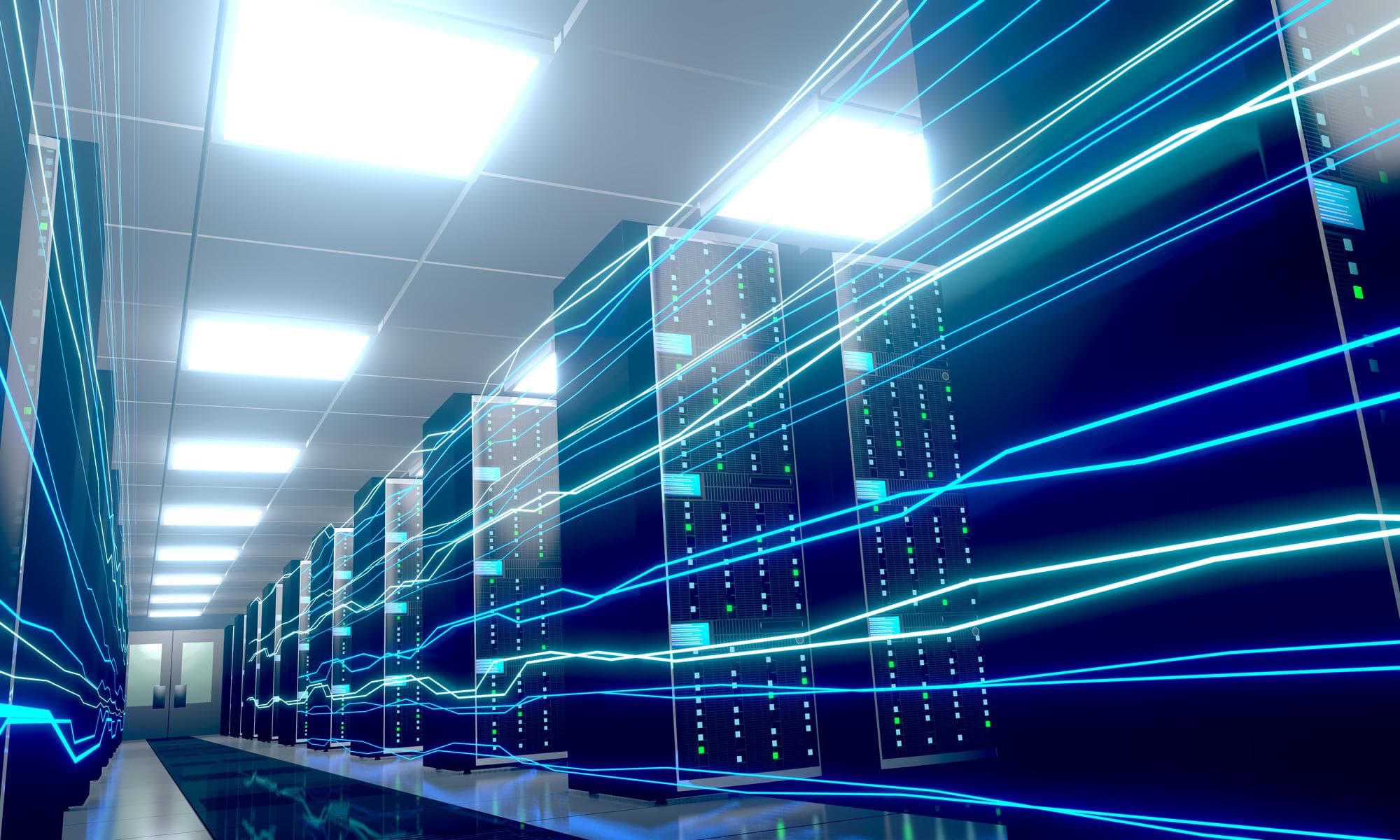
The data center industry is no longer scaling in megawatts alone. It is scaling in GPUs.
Across the world, AI infrastructure is being built around clusters that now exceed 100,000 GPUs in a single deployment. This is not a future projection. It is already happening.
These clusters are powering the next generation of artificial intelligence, from large language models to real time inference systems. They are also redefining what data centers require from energy infrastructure.
Because behind every GPU is power. And at this scale, the numbers become impossible to ignore.
From Megawatts to Compute Density
Traditional data centers were designed around distributed workloads. Power demand was spread across thousands of servers, and growth was relatively predictable.
AI clusters change that completely.
Instead of distributing compute, they concentrate it. Massive GPU deployments are packed into high density environments where racks can exceed 50 kW to 100 kW, and in some cases even higher.
A single 100,000 GPU cluster can require hundreds of megawatts of power, depending on configuration and utilization.
This shift from distributed to concentrated compute is transforming energy requirements.
Power is no longer just about total capacity.
It is about density, consistency, and delivery at scale.
Why GPU Clusters Are Growing So Fast
The rapid growth of GPU clusters is being driven by the competitive nature of AI.
Companies are racing to train larger models, process more data, and deliver faster results. The only way to achieve this is through scale.
More GPUs mean:
Faster training times
Higher model performance
Greater ability to handle complex workloads
This creates a feedback loop.
As models grow, infrastructure must grow with them.
As infrastructure grows, energy demand accelerates.
The result is a new class of data center built specifically for AI.
The Hidden Constraint: Power Delivery
While GPUs get most of the attention, the real challenge lies behind the scenes.
Delivering power at this scale is not simple.
High density clusters require:
Stable and continuous power supply
Advanced cooling systems
Efficient power distribution
Minimal latency in energy delivery
Any disruption can impact performance, delay training cycles, or reduce efficiency.
This is where energy becomes critical.
The ability to deliver reliable, high density power is now just as important as the GPUs themselves.
Energy Density Is Redefining Infrastructure Design
The rise of 100,000+ GPU clusters is forcing a redesign of data center infrastructure.
Facilities must now support significantly higher power densities without compromising performance.
This includes:
Upgraded electrical systems
Advanced cooling technologies
Optimized layouts for high density deployments
Integrated energy management systems
Designing for this level of intensity requires a different approach.
Energy systems must be built not just for capacity, but for precision and performance.
Speed to Power Is Becoming Critical
AI deployments operate on aggressive timelines.
Companies investing in large GPU clusters are looking to bring them online as quickly as possible. Delays in power delivery can slow down entire AI programs.
This is driving demand for energy solutions that can match the speed of deployment.
Traditional grid timelines are often too slow to support these requirements.
As a result, more projects are exploring alternative energy strategies that allow them to move faster and maintain control over their timelines.
Energy Independence Supports High Performance AI
For large GPU clusters, consistency is everything.
Training workloads can run for extended periods, requiring uninterrupted power and stable conditions. Variability in energy supply can affect performance and efficiency.
Energy independence offers a way to address these challenges.
By integrating onsite power, microgrids, and advanced energy systems, operators can create environments that are:
More stable
More predictable
More resilient
This level of control is essential for high performance AI infrastructure.
The Scale of Opportunity
The growth of GPU clusters represents more than just a technical shift. It represents a massive opportunity.
As demand for AI infrastructure continues to rise, so does the need for energy solutions that can support it.
This includes:
High capacity power systems
Flexible energy infrastructure
Solutions that enable rapid deployment
Systems designed for long term scalability
Companies that can deliver these capabilities are positioned at the center of one of the fastest growing segments in the data center industry.
A New Era of Data Center Energy
The rise of 100,000+ GPU clusters marks the beginning of a new era.
Energy is no longer a background consideration. It is a central component of AI infrastructure.
The ability to deliver power at scale, with precision and reliability, will define the next generation of data centers.
As the industry continues to evolve, one thing is clear.
The future of AI will not just be built on compute.
It will be powered by those who can deliver energy without limits.